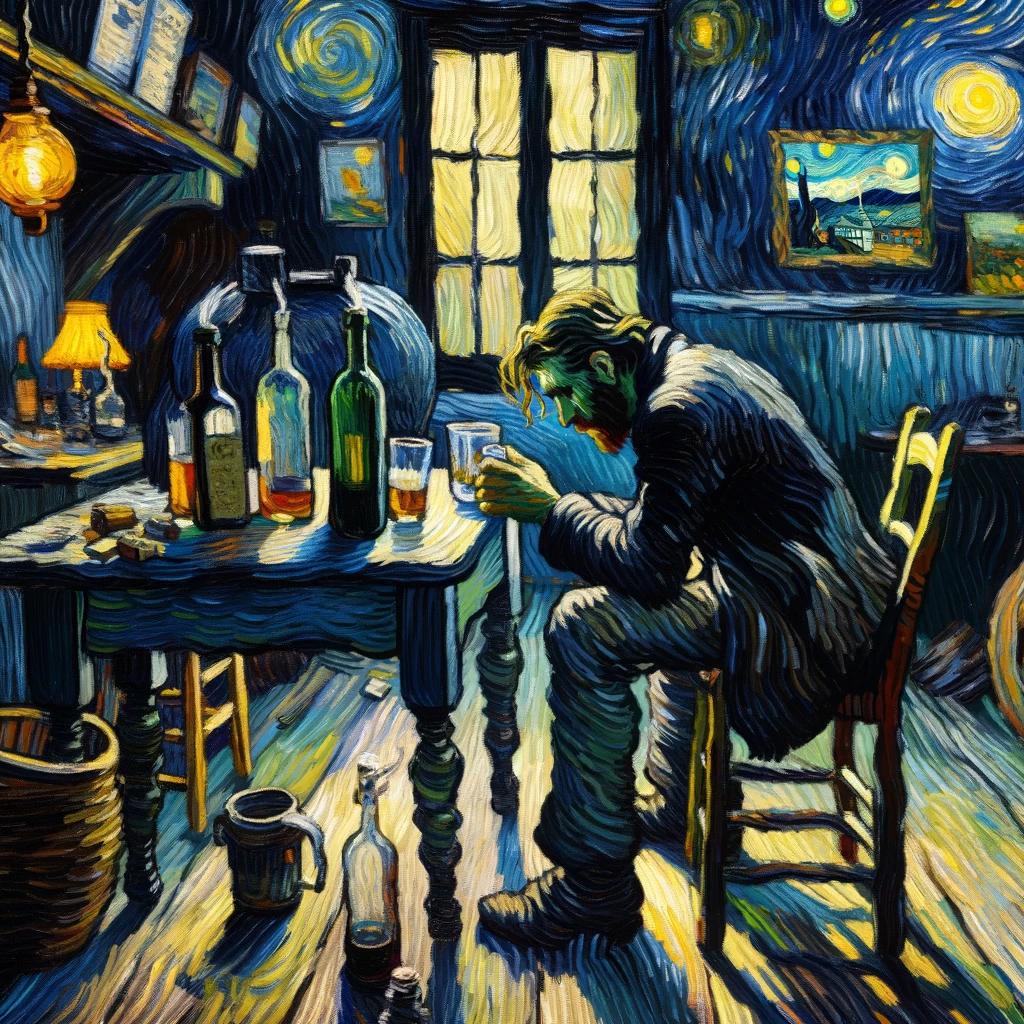
There are few things more relaxing after a long, tiring week than a cold beer in good company, and PilsPosten's goal is to make that experience a little more budget-friendly. Even so, we recognise the challenges that can come with alcohol, and we want to shed light on them in this article.
Acknowledging and seeking help for alcohol addiction: a guide to recovery
Alcoholism, also known as alcohol use disorder, is an illness that makes no distinction between people. From secretaries-general to miners, no one is immune. Sadly, on top of having a serious impact on a person's health, alcoholism can also destroy relationships, damage careers and greatly reduce a person's quality of life.
The stages of seeking help with alcoholism begin with acknowledging the problem itself. This can be a challenging first step because of the stigma and denial that are often tied to addiction. Nevertheless, admitting that you need help shows integrity and courage.
The next natural step for those struggling with alcohol addiction is to seek support from friends and family. It can be uncomfortable to share such a personal challenge, but experience shows that the support you receive from loved ones can make a significant difference in the healing process.
An important part of seeking help for alcoholism is medical professionals. A doctor (fastlege in Norway) or other medical specialist can give an objective assessment of the situation and advise on the various treatment methods that suit the individual – this is also the route into publicly funded treatment in Norway.
When it comes to treatment methods, there is a range of options depending on the severity of the addiction and the individual's own specific needs. For those with a milder degree of addiction, therapy can be an effective treatment, offering the chance to explore the causes behind the addiction and learn new ways to handle the urge to drink. For those struggling with more severe addiction, rehabilitation centres can be an important tool towards recovery, offering structured programmes with medical supervision during the detox process. Self-help groups, where participants support and learn from one another, can also be a profound pillar of support for those working towards sobriety. Finally, there is also medication as another tool for preventing relapse, which can help ease withdrawal symptoms and the urge to drink.
Where to get help in Norway
If you or someone close to you is struggling with alcohol, these are real, established Norwegian services – all free to contact:
Rustelefonen – 08588. A national advice and information line on substance use, staffed by professional counsellors. They can point you toward the right local service.
A-larm – Bruker- og pårørendeorganisasjon. A nationwide user and next-of-kin organisation focused primarily on alcohol, run by people with lived experience.
Blå Kors Kompasset. Free therapy and counselling, no referral needed, for young people (roughly 13–35) who grew up with a parent's alcohol or substance problem. Blå Kors also runs treatment institutions and outpatient services across the country more broadly.
IVARETA – pårørendetelefonen – 800 40 567. Specifically for family members and people close to someone with a substance problem.
Your fastlege (GP). In Norway, your regular doctor is the standard route into publicly funded treatment and can refer you onward.
For readers outside Norway: your own GP or a local addiction helpline is the equivalent starting point – a quick search for "alcohol helpline" plus your country will usually surface the national service.
Alcoholism is demanding and complex, but by taking the first step – acknowledging the problem – recovery is more than just a possibility; it's genuinely achievable. With effort, time, the right support and dedication, a life without addiction can be within reach.
*This article is for general information and isn't a substitute for professional medical advice. If you're in crisis, contact emergency services or one of the helplines above directly.*